Sum was small.
Windborn,
The Angyar take; the Fia give; the Gdemiar give and take. If we do this for you, what will you give us?
My thanks, Nightlord.
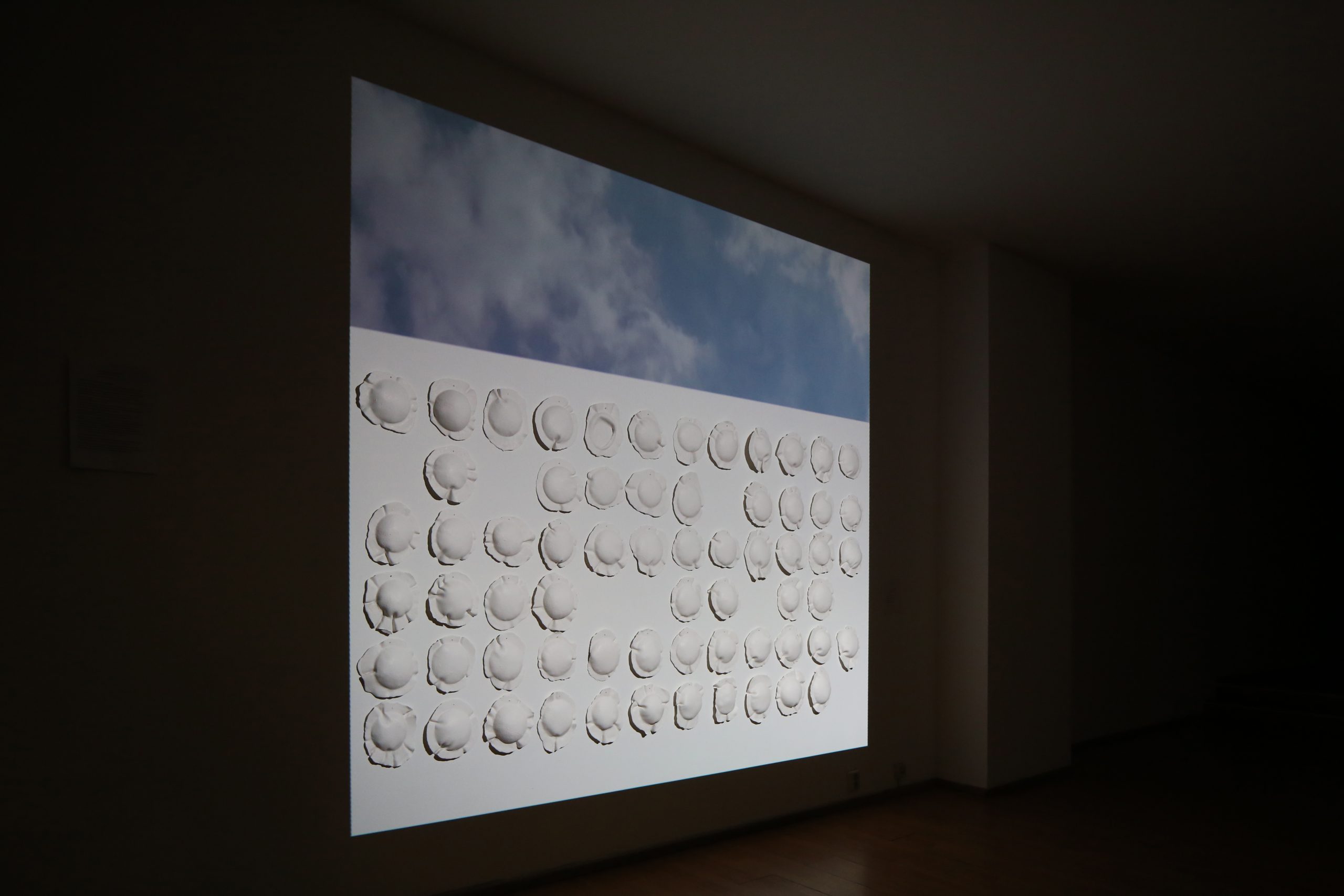
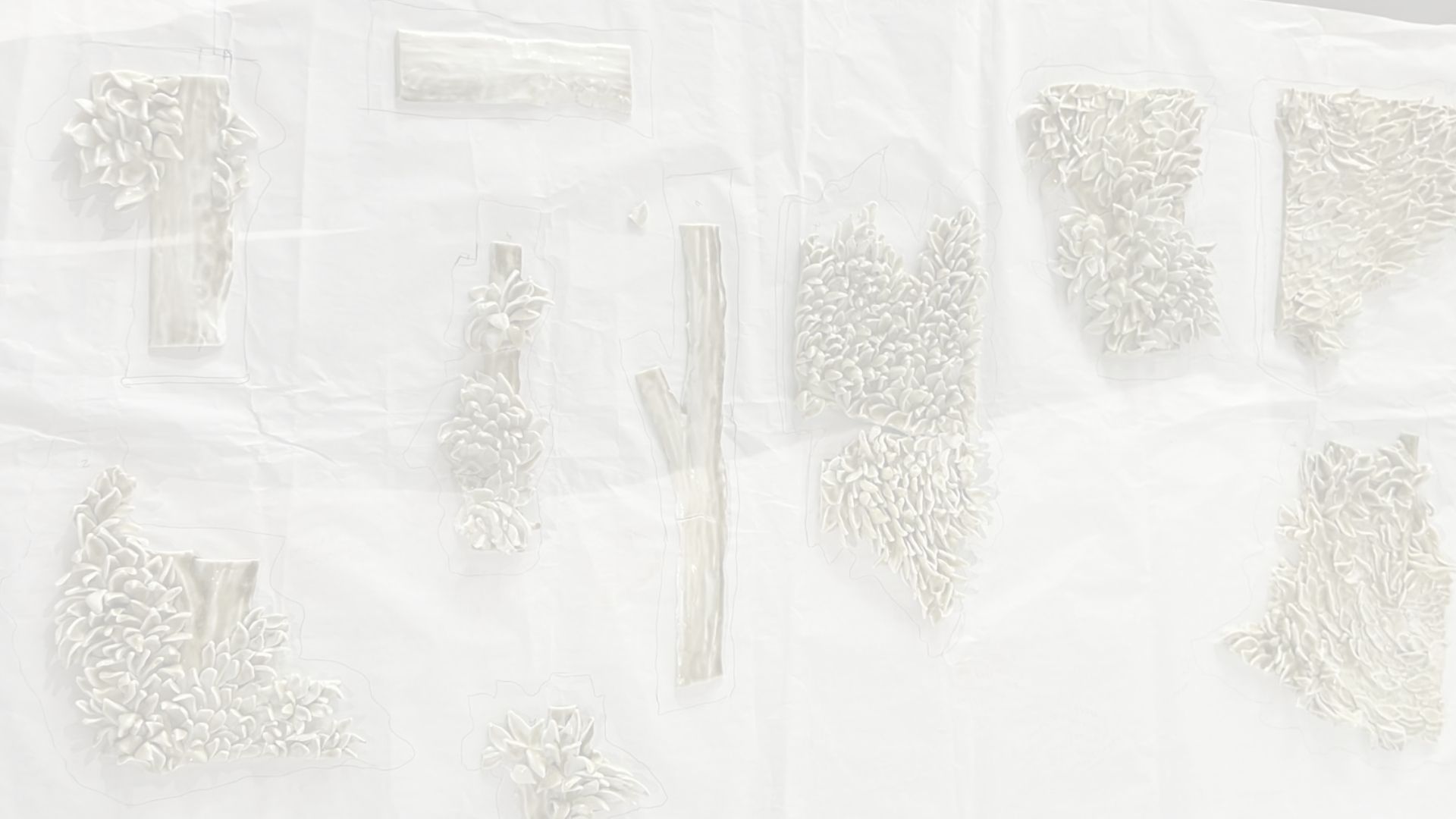
The work employs the act of beading a necklace and reimagines “Semley’s Necklace,” the opening story of Rocannon’s World by Ursula K. Le Guin. It follows Semley, who moves between societies in search of an object whose meaning shifts across cultures.
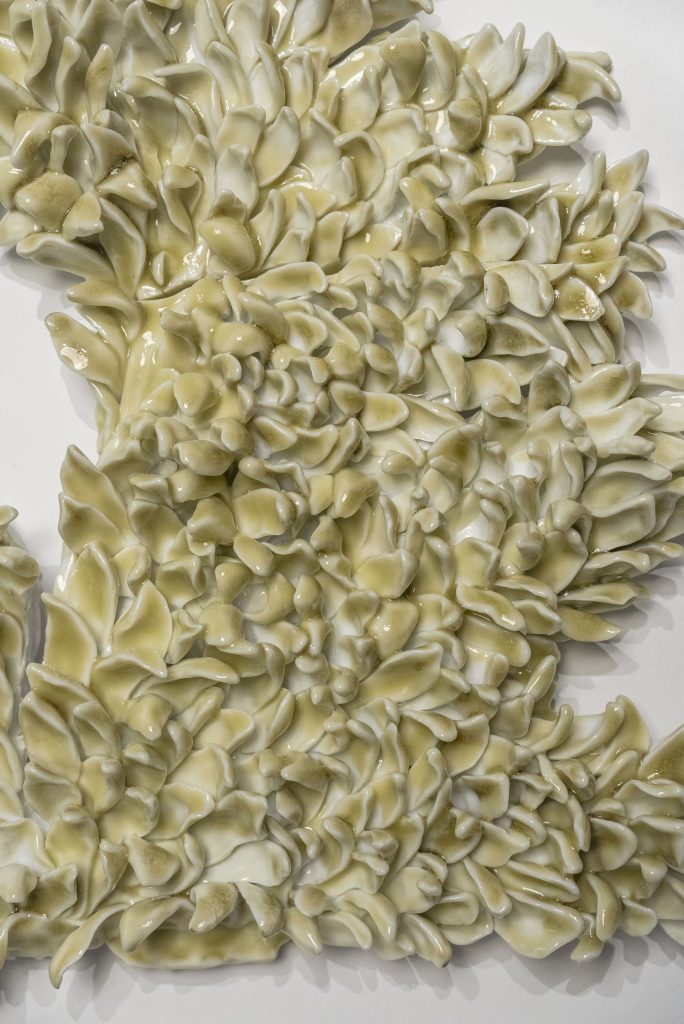
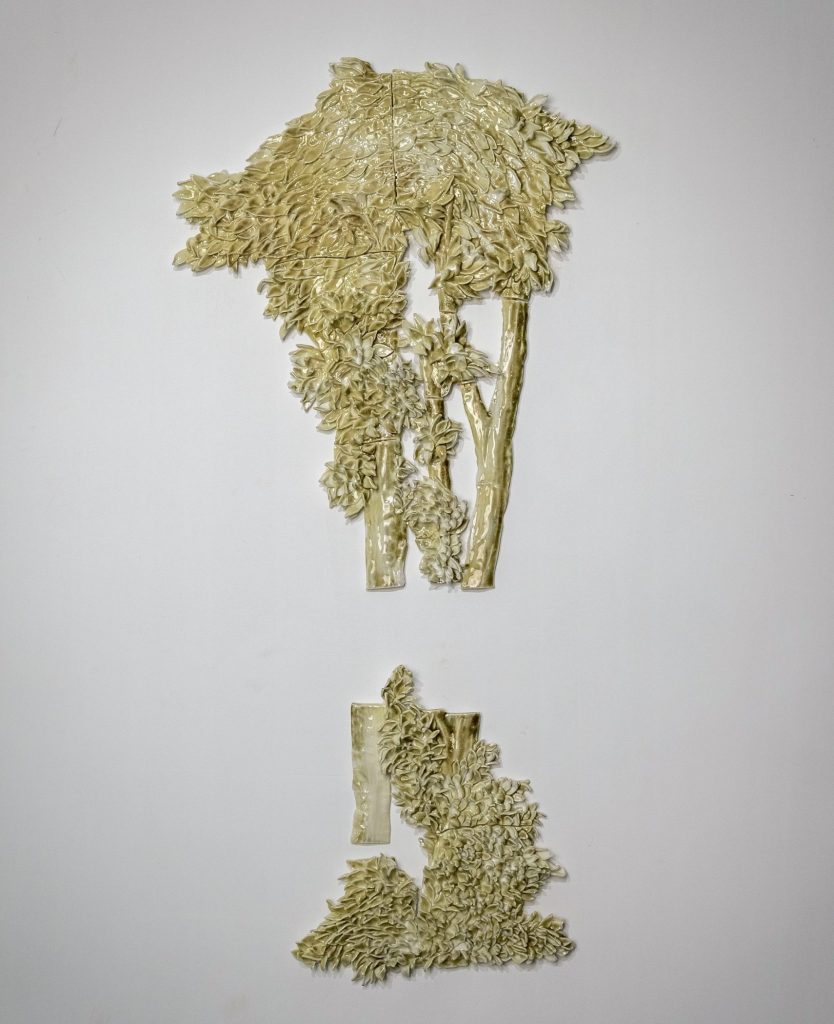
Some cultures live according to natural cycles. For them, value exists in sunlight, seasons, fruit, memory, and lineage. What once existed as gold has already returned to lived experience, and its absence is not mourned.
Others labor beneath the earth. They extract material from the hills, shape it, polish it, and give it brilliance through labor. Above them stand the Starlords, who trade and circulate what others make.
Through these encounters, the work unfolds a cosmology shaped by differing understandings of loss, usefulness, memory, and beauty. It reflects on Ursula K. Le Guin’s themes of cultural encounter, extraction, and unequal power, asking how meaning changes as objects move from makers to keepers, and from lived worlds into distant systems.
//some text I read and re-read//
She came among the Lightfolk, Sundwellers who lived beneath the sun. They brought her bowls of fruit, fresh water, and the laughter of children running behind her.
“What would we do with gold?” they said.”
“Here there is sunlight in the warm year, and in the cold year the remembrance of sunlight: the yellow fruit, the yellow leaves at the end of the season, the golden hair of our lady. We have no other gold.”
“Our trees grow. Their roots are in the earth. What you seek is already gone, and we do not grieve it.”
“Perhaps among the Sun-Haters?”
Next, she came to the Clay Folk, who labored beneath stone. Their caverns thundered with wheels and blades, and the stale air trembled with fire and dust. They showed her wonders: lights that burned without flame, machines that ground and shaped the very earth.
Yes, we know the thing you seek. We once had it. We drew it from these hills, shaped it, polished it, and gave it brilliance.
“…but these are very old tales.”
“May I listen to them in the places where they are told?”
“You may enter the deep halls.”